

How OTs can help clients with Sensory Processing Disorder
Sensory Processing Disorder (SPD) affects how the brain processes sensory information. People with SPD have difficulties taking in, interpreting and responding to information from the environment. Things that may appear to be simple for neurotypical individuals, such as dealing with fluorescent lights at the grocery store or focussing on a conversation in a loud environment, may be overwhelming or intolerable for people with SPD.
In most cases, people with SPD have one or more senses that experience either too much or too little stimulation.
That’s because SPD disrupts how the brain receives, organizes, and uses the messages received through our body’s receptors. We take in sensory information through our eyes, ears, muscles, joints, skin, and inner ears, and we use those sensations – we integrate them, modulate them, analyze them and interpret them — for immediate and appropriate everyday functioning.
As Occupational Therapist and Developmental Psychologist A. Jean Ayres says: “SPD is like a neurological traffic jam in which the senses don’t work properly.”
Adults and SPD
Although more common in children, adults can also have SPD.
Adults with SPD may have difficulties at work, at home, in relationships, and their everyday life. Things like giving presentations at work or being in a crowded elevator with other people might be extremely difficult to deal with.
SPD goes undiagnosed or is misdiagnosed in many adults. It’s common that SPD individuals will have other diagnoses as well, such as depression, anxiety, and eating disorders, among others.
An Occupational Therapist (OT) can help
Occupational Therapists cannot provide a diagnosis to clients with SPD.
However, our OTs can provide adults with SPD with a Sensory Diet, which are exercises, tools, and techniques to help regulate their sensory response so they can react in an adaptive way to everyday stimulation.
Occupational Therapists at OT Works! have experience working with individuals with SPD and can help you live a fulfilling life, doing the activities that you love and that are important to you.
If you or someone you know is looking for support with SPD, contact us today.
Email: referrals@ot-works.com
Phone: 604.696.1066 ext. 1000.
Learn more about SPD:
SPD and Autism Specialist Moira Pena’s website
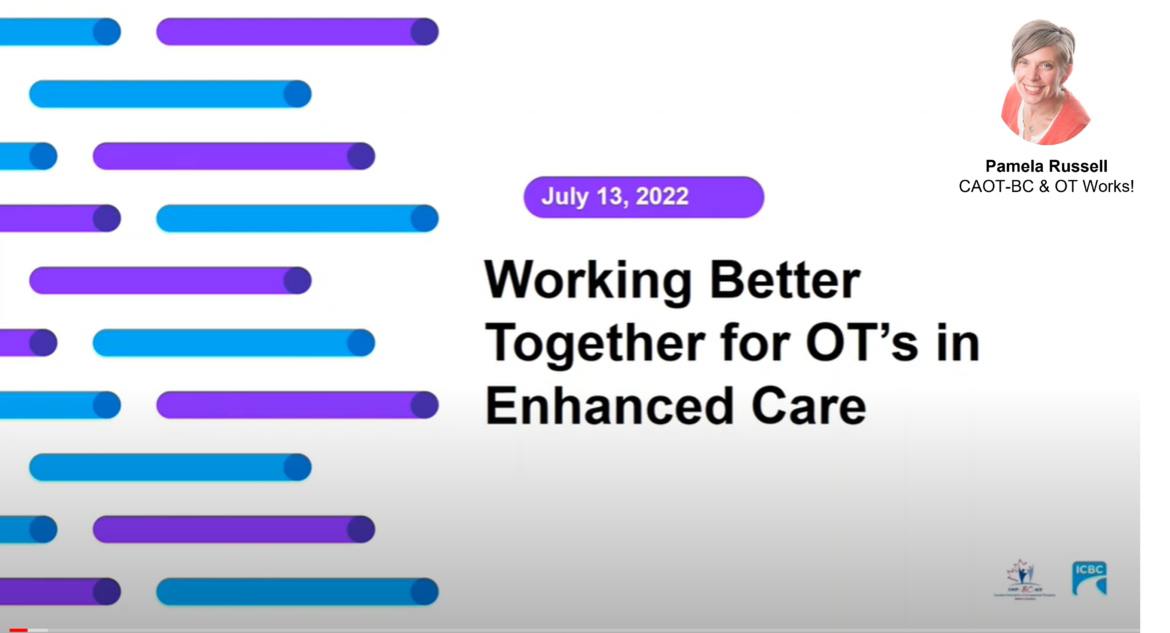
Pamela Russell presenter with CAOT-BC and ICBC “Working Better Together for Occupational Therapists”
ICBC and the Canadian Association of Occupational Therapists of British Columbia (CAOT-BC) co-produced the webinar Working Better Together for Occupational Therapists.
Pamela Russell (Clinical Director, OT Works!) was one of the two OT co-presenters, representing community-based occupational therapists in BC.
Pamela is a founding member of the CAOT Private Practice Business Network (PPBN) committee.
The team presented a document called “Roles of the Occupational Therapist and Recovery Specialist in Enhanced Care” during the webinar on July 13, 2022. This guide was developed through collaboration between the CAOT-BC Private Practice Business Network and ICBC.
“It was a privilege to be part of this collaboration. It took several months and many conversations. But in the end, we established common ground that will provide clarity in how we work together and optimize the recovery process for ICBC customers.”
Pamela Russell, Clinical Director at OT Works!
Occupational therapists can find the webinar and reference materials on the ICBC healthcare providers site (under Occupational Therapists/Resources).
At OT Works!, we work collaboratively with our customers, colleagues, and partners to facilitate quality care for our clients.
OT Works! is a group of community-based occupational therapists serving Vancouver, Surrey, Fraser Valley, Squamish/Whistler, Victoria and Vancouver Island. We have been providing meaningful OT and rehabilitation services to clients in their homes and workplaces for over 20 years.
Contact Us
Phone: 604.696.1066 ext. 1000.

Mental Health Week 2022: #GetReal about how to help
Mental Health Week is all about empathy. It’s the capacity we share as human beings to step into each other’s shoes. To understand where they’re coming from and what they’re feeling. To listen with compassion and refuse to judge. It’s also one way to reduce and resolve conflict.
Listen hard when someone wants to talk. Don’t jump in or judge. Before you weigh in, tune in.
For #MentalHeatlhWeek, #GetReal about how to help. www.mentalhealthweek.ca

Mental Health Support
There are a number of programs and services available to help with mental health.
- To access free mental health and addictions programs, services and supports tailored to the needs of your local community, please contact your local CMHA.
- For free resources and 24/7 counselling over the phone, please visit the Government of Canada’s Wellness Together portal.
- If you are thinking about suicide, please call the Canada Suicide Prevention Service tollfree at 1-833-456-4566 (1-866-277-3553 in Quebec).
Occupational Therapy and Mental Health
At OT Works!, our occupational therapists recognize the importance of listening and understanding. Our therapists are experienced in providing support for mental health issues. All of our therapists at OT Works! are certified with the College of Occupational Therapists of British Columbia (COTBC) and have additional training in areas such as mental health, brain injury rehabilitation, home safety and chronic pain.
If you or someone you know needs mental health support, contact us today.
Email: referrals@ot-works.com
Phone: 604.696.1066 ext. 1000.
Learn More

Sleeping well is key for better health
If you made some new year’s resolutions for 2022, consider adding sleep to your list of goals.
Committing to better sleep have long-lasting benefits on physical and mental health. Having a good night of sleep help you feeling well-rested on the next day, and can help you being more productive, feeling more focused and even being more creative.
Data from the Public Health Agency of Canada shows that Canadians are not getting enough sleep, and that lack of sleep impacts our quality of life.
The good news is that there are simple and easy things that you can do to sleep better and have more energy.
Tips to improve your sleep:
Improving sleep can help a person to manage better. Quality of sleep is directly linked to quality of life. Many of these tips will seem like common sense. It is surprising how many of us have forgotten to follow these simple ideas to have a good night of sleep. Try to start using the following tips slowly each day to improve your sleep. :
- Avoid caffeine for at least 8 hours prior to bedtime; and avoid alcohol at bedtime
- Avoid smoking – nicotine is a stimulant and can keep you awake
- Wind down for an hour before bed under low light: a warm bath or shower one hour before bed might help
- No electronics – the blue light from the screens keep you more alert
- Don’t go to bed until you feel sleepy
- Create an appropriate environment for sleeping: keep your bedroom comfy, cool, quiet and dark
- Don’t use your bed for anything but sleep or sex
- Don’t lie awake in bed. If you are awake for more than 15 minutes get up and do a boring activity until you are sleepy before returning to bed
- Don’t watch the clock. If worried about not waking to an alarm, set 2 alarms
- Get out of bed at the same time daily with an alarm (YES this even includes weekends)
- Don’t take naps during the day if possible. If you have to, limit them to 20-30 minutes max
- Exercise as you are able – if possible, at least 30 minutes of exercise – 3 times per week
- Don’t use the snooze button. You may feel like you are getting more rest, but it will not be the quality sleep you need.
If you do make changes, you will likely awake feeling better the next day. Remember: being consistent help make a habit, and that by making changes and sticking with them will have the biggest impact. Some changes may have gradual effect that will grow over time. It may take a couple of weeks to notice a difference, so keep at it!
Read more about the benefits of a good night of sleep on this CBC article, and on this episode of The Nature of Things.
Get Started with an OT
Occupational Therapists help people with their activities of daily life—including getting more rest and better sleep.
All of our therapists at OT Works! are certified with the College of Occupational Therapists of British Columbia (COTBC) and have additional training in areas such as mental health, brain injury rehabilitation, home safety and chronic pain.
We are here to help you achieving your goals to live your best life. Contact us today!
Email: referrals@ot-works.com
Vancouver: 604.696.1066
Victoria: 250.999.8896
Photo by Ketut Subiyanto from Pexels

OT Works! Holiday Hours
OT Works! will be closed during the holidays.
We will be back to our regular hours on January 03, 2021, when we will be accepting new clients in Vancouver, Metro Vancouver, Sea-to-Sky, Sunshine Coast, Victoria and the Comox Valley.
Our Holiday Hours
| Monday, December 20, 2021 | Open, 9am-5pm |
| Tuesday, December 21, 2021 | Open, 9am-5pm |
| Wednesday, December 22, 2021 | Open, 9am-5pm |
| Thursday, December 23, 2021 | Open, 9am-5pm |
| Friday, December 24, 2021 | Open, 9am-1pm |
| Monday, December 27, 2021 | Closed |
| Tuesday, December 28, 2021 | Closed |
| Wednesday, December 29, 2021 | Closed |
| Thursday, December 30, 2021 | Closed |
| Friday, December 31, 2021 | Closed |
| Monday, January 03, 2021 | Open, 9am-5pm |
Regular business hours resume on January 03.
We wish you a very Happy Holidays and a Joyous New Year!
Get started with an OT
All of our therapists at OT Works! are certified with the College of Occupational Therapists of British Columbia (COTBC). Our approach is based on current research and evidence-based practice.
If you or someone you know could benefit from occupational therapy, contact us today!
Email: referrals@ot-works.com
Vancouver: 604.696.1066
Victoria: 250.999.8896

BC RAHA: How an Occupational Therapist can help with home modifications
If you need home modifications to make your home safer for independent living, you might qualify for government-based BC RAHA program.
What is BC RAHA?
The BC Rebate for Accessible Home Adaptations Program (BC RAHA) gives financial assistance to eligible low- and moderate-income households to complete home adaptations for accessibility. The program allows seniors and people with permanent disabilities or diminished ability to access greater independence within their own homes. As of March 2021, this program replaces the Home Adaptations for Independence Program, or HAFI. The revised program offers greater opportunity and simplified application processes.
Who can apply?
Homeowners, tenants and landlors alike can apply for the program. You may be eligible for BC Rebate for Accessible Home Adaptations (BC RAHA) help if you, someone in your household or a tenant has permanent disability or loss of physical abilities and you meet all the application requirements.
Please check the eligibility requirements at BC RAHA’s website: https://www.bchousing.org/housing-assistance/BC-RAHA
How can an Occupational Therapist help?
For some home adaptations, the program requires a completed assessment from an Occupational Therapist (OT).
A home assessment by an Occupational Therapist can help identify special equipment, design features and ways to make your home safer and more accessible.
An in-home assessment carefully considers the layout and features of your home with information about your disability or ability loss. An assessment identifies areas that could benefit from changes that allow you to continue living safely in your home as long as possible. Some recommendations may be simple like moving furniture to clear walking paths. Reducing your fall risk is a good start. By removing items that block your walking paths, you can improve mobility in your home without any extra cost.
Other recommendations may need more effort. You may have to buy equipment or hire a contractor to make home adaptations. This is where BC RAHA program can help. The home assessment findings can be used to assist with planning and help guide decisions and discussions. This makes sure any adaptations made to your home will meet your needs.
What are the home modifications that require an OT assessment?
All adaptations will be assessed based on how they address a household member’s permanent disability or loss of ability. If it is not clear how the requested adaptations will help the household member maintain independence in the home the requested adaptations may not be approved, or medical documentation may be required.
Not all modifications require an Occupational Therapist assessment. Please refer to the BC RAHA’s website (https://www.bchousing.org/housing-assistance/BC-RAHA) to see the complete list of adaptation types and maximum rebate schedule.
Will BC RAHA cover the cost of the assessment?
BC RAHA will not cover the total costs of the assessment but will provide you with a rebate of up to $250, even if you do not qualify for the program or do not have any adaptations done.
Do I need a doctor’s referral to be assessed by an Occupational Therapist?
No, a doctor’s referral is not required for OT assessments for BC RAHA.
Why should I choose OT Works?
All of our therapists at OT Works! are certified with the College of Occupational Therapists of British Columbia (COTBC) and are skilled in assessing clients for their home modifications with BC RAHA program.
Our OTs serve the Lower Mainland, Fraser Valley, Sea-to-Sky and Vancouver Island. To learn more about our services, contact us.
Image reposted from aztechomeinsp.

How Occupational Therapy can help with social anxiety
With COVID-19 restrictions being slowly lifted, and people starting to get back to in-person social and work activities , some people are experiencing unexpected feelings of unease and anxiety.
Many people were expecting to be very happy and socially active right now, meeting friends, going to favorite restaurants, or joining that fitness class that they have been missing. But if instead of joy you are feeling afraid, anxious and are avoiding going out, please know that you’re not alone. Many people are feeling the same way.
According to Anxiety Canada, “Social anxiety disorder is one of the most common anxiety disorders, affecting between 7 and 13% of the population”.
How to effectively cope with social anxiety
The good news is that there are effective ways to cope with social anxiety.
Here are some good tips from Healthline:
- Ease back into it
- Visualize situations in your head
- Allow yourself to be scared
- Practice self-care
- Get professional help
Addressing anxiety is one of many things that Occupational Therapists can help with during these uncertain times. Our OTs have training and experience helping people overcome fear, anxiety and help them get back to doing things they love. We know that dealing with social anxiety can be overwhelming, but our Occupational Therapists are ready to help you getting back to the activities that are meaningful to you.
All of our therapists at OT Works! are certified with the College of Occupational Therapists of British Columbia (COTBC) and are skilled in treating clients with anxiety and other mental health concerns.
Our OTs serve the Lower Mainland, Fraser Valley, Sea-to-Sky and Vancouver Island. To learn more about our services, contact us.
Additional Resources
Anxiety Canada: Self-help strategies for social anxiety
Statistics Canada: Social Anxiety disorder: much more than shyness
New York Times: How to deal with quarantine-induced social anxiety
Image reposted from additude.com

World Health Day 2021
OT Works! supports World Health Day and efforts to build a fairer, healthier world. On April 7, 2021, we recognize and remain committed to overcoming inequities that exist in health care.
In our practice and beyond, we strive to work together and act beyond borders. We also support the Canadian Association of Occupational Therapy (CAOT) which advocates for improved access to occupational therapy services for Canadians.
For more information, visit World Health Day 2021.

Managing Mental Health and Chronic Pain: Resources to Help
Take care of your health.
COVID-19 has been hard on us all. Connect with resources and people to better manage your mental health and chronic pain during these tough times.
- Canadian Mental Health Association, BC Division: Tips for good mental health | Here to Help
- Pain BC: COVID-19 news and resources for people living with pain | Pain BC
We’re here to help.
Our occupational therapists are skilled in treating clients with mental health concerns and chronic pain during occupational disruption. To learn more, contact us.
Image reposted from heretohelp.bc.ca.
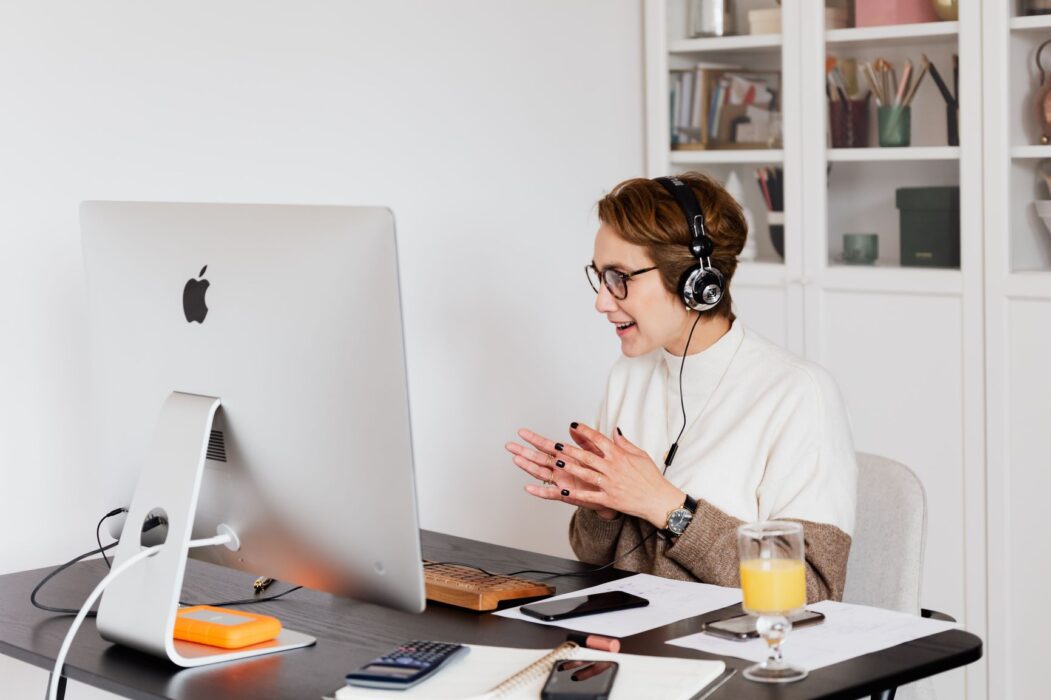
OT Tips for Working from Home
Occupational therapists recommend a balanced approach when managing your health while working from home. They consider the physical, cognitive, emotional and environmental demands that affect wellbeing at work. Here are some OT tips to take care of yourself while working from home:
- Start by improving your ergonomic set up to address posture.
- Remember to take microbreaks.
- After work, engage in activities that bring you a sense of calm.
Building good habits is essential to feeling successful at work. You can read more on how to improve how you work from home in this article by The Signal.
Get Started with an OT
Could you or someone you know benefit from an OT assessment? All of our therapists at OT Works! are certified with the College of Occupational Therapists of British Columbia (COTBC) and have additional training in areas such as mental health, brain injury rehabilitation, home safety and chronic pain.
We are here to help after an injury or a motor vehicle accident. Contact us today!
Email: referrals@ot-works.com
Phone: 604.696.1066 ext. 1000