

10 tips to deal with Driving Anxiety
Many people avoid driving or being a passenger in a car because of Driving Anxiety.
Driving anxiety is intense fear, phobia, or distress at the possibility of driving or being a passenger in a car. These feelings can also appear in specific situations, such as driving over a bridge, at night, during winter, or being a front-seat passenger. In many cases, people are afraid because they think that something bad can happen to them.
Strategies to help
The good news is that there are tips and strategies to help you manage your symptoms and fear of driving. Here are 10 tips to help you:
1. Recognize signs of anxiety in yourself
Signs of driving anxiety include:
- Stopping the activity (e.g., you’ve ceased driving)
- Physical reactions (e.g., sweating, headaches, chest pains, dry throat, etc.)
- Plan driving routes that are very elaborate and longer than necessary, to avoid certain roads
2. Recognize what specifically triggers your anxiety (e.g., certain intersections, loud sirens, car screeching)
3. Plan your trip in advance:
- Know what route you will take
- Anticipate what challenges might arise and be prepared to deal with them
4. Avoid black and white, or absolutist, thinking.
- Being in a car does not mean you will be in an accident
- Accept that there are always risks with driving; cut those risks by driving responsibly (be alert, know your own limitations, don’t drink and drive, etc.)
5. Realistic thinking
It is important for your mind to stay focused on the task of driving and that your internal thoughts are positive and helpful for the goal of returning to driving. You can use Calming/Realistic Thinking anytime that you notice worry or doubt thoughts coming into your mind. When you recognize a worry or doubt thought, counter that thought. Here are some sample questions you can counter the thought with to help your thinking be more calm or realistic:
- Would most people agree with this thought? If not, what would most people think?
- What would I say to a friend if a friend was in a similar situation?
- What will happen if I continue to think this way?
- What is a more encouraging or useful way of thinking?
6. Learn to reduce your tension when at the wheel.
- Relax before, during, and after you drive
- When you are aware of yourself becoming tense, engage in the stress reduction management strategies that work best for you, such as playing music and breathing techniques
7. Return to driving in a graduated fashion
- Start small and slow
- Gradually increase the driving time (duration), frequency, and environmental stimulus (how busy the streets are)
8. Use affirmations to confirm that you’re doing the right thing while driving.
Reassure yourself that you are ok! Such as:
- I am driving carefully and within the speed limit. Careful driving is safe driving.
- Driving is a common, everyday activity. I am an alert driver participating in a common activity with care.
- I do not have to drive fast, I can drive in the right-hand lane if I want to travel slower than other cars.
- I have power and control over what happens to me.
9. “Safety Sack”
Prepare a bag or collection of objects that make you feel safe. This “sack” is something that you can then carry around with you when you travel in a vehicle to help you feel safe wherever you go.
10. Seek professional help
Seeing a counsellor, psychologist or Occupational Therapist might be helpful to manage your driving anxiety.
An OT can help
Together, you and your OT can identify triggers, develop calming techniques, create checklists and prompts, and develop a gradual plan to resume this important activity. Your OT can also help you practice driving – they can ride as a passenger in your car while you practice your strategies and build up confidence as a driver.
Occupational Therapists at OT Works! have experience with driving desensitization and can help you overcome your driving anxiety and get back to being a successful driver or passenger.
Contact us
If you or someone you know is looking for support with driving anxiety, contact us today.
Email: referrals@ot-works.com
Phone: 604.696.1066 ext. 1000.

Meet Jessica Irish: Occupational Therapist
Welcome Jessica Irish to the OT Works! team.
Jessica has many years of experience helping clients who experience a range of physical, cognitive, and emotional challenges in daily life.
Jessica serves clients in the Metro Vancouver area, including Vancouver, Burnaby, New Westminster, Surrey, North & West Vancouver, Richmond, Delta, White Rock, Port Moody, Coquitlam, Port Coquitlam, Langley, Fort Langley, Maple Ridge and Pitt Meadows. She works with WorkSafeBC, ICBC, and private paying clients, as well as those with extended health/disability insurance.
She earned her Master of Occupational Therapy from the University of British Columbia (UBC). Jessica brings meaningful and relevant clinical experience to her work as an Occupational Therapist and provides high quality and authentic care to clients. Jessica conducts her work using strong clinical reasoning, excellent communication skills, and a fundamental respect and care for both her clients and colleagues. She loves being an OT because she can empower others to engage in activities that are meaningful and important to them and their communities.
Jessica has taken courses and certifications in cognitive rehabilitation and concussion management.
Like all our therapists at OT Works!, Jessica is registered and in good standing with the College of Occupational Therapists of British Columbia (COTBC).
Get Started with an OT
If you or someone you know could benefit from working with an occupational therapist, contact us today!
Email: referrals@ot-works.com
Phone: 604.696.1066 ext. 1000.

How OTs can help clients with Sensory Processing Disorder
Sensory Processing Disorder (SPD) affects how the brain processes sensory information. People with SPD have difficulties taking in, interpreting and responding to information from the environment. Things that may appear to be simple for neurotypical individuals, such as dealing with fluorescent lights at the grocery store or focussing on a conversation in a loud environment, may be overwhelming or intolerable for people with SPD.
In most cases, people with SPD have one or more senses that experience either too much or too little stimulation.
That’s because SPD disrupts how the brain receives, organizes, and uses the messages received through our body’s receptors. We take in sensory information through our eyes, ears, muscles, joints, skin, and inner ears, and we use those sensations – we integrate them, modulate them, analyze them and interpret them — for immediate and appropriate everyday functioning.
As Occupational Therapist and Developmental Psychologist A. Jean Ayres says: “SPD is like a neurological traffic jam in which the senses don’t work properly.”
Adults and SPD
Although more common in children, adults can also have SPD.
Adults with SPD may have difficulties at work, at home, in relationships, and their everyday life. Things like giving presentations at work or being in a crowded elevator with other people might be extremely difficult to deal with.
SPD goes undiagnosed or is misdiagnosed in many adults. It’s common that SPD individuals will have other diagnoses as well, such as depression, anxiety, and eating disorders, among others.
An Occupational Therapist (OT) can help
Occupational Therapists cannot provide a diagnosis to clients with SPD.
However, our OTs can provide adults with SPD with a Sensory Diet, which are exercises, tools, and techniques to help regulate their sensory response so they can react in an adaptive way to everyday stimulation.
Occupational Therapists at OT Works! have experience working with individuals with SPD and can help you live a fulfilling life, doing the activities that you love and that are important to you.
If you or someone you know is looking for support with SPD, contact us today.
Email: referrals@ot-works.com
Phone: 604.696.1066 ext. 1000.
Learn more about SPD:
SPD and Autism Specialist Moira Pena’s website

Telehealth
When clients can access few other services, occupational therapy via telehealth is a vital link to wellness.
About Telehealth
Telehealth refers to using electronic communications to manage a client’s health and wellbeing. OT Works! is delivering telehealth services during the COVID-19 outbreak. Care by telehealth is therapy that is:
- Provided via phone, email, text messages or video
- Live, private and confidential
- Guided by the College of Health and Care Professionals of British Columbia (CHCPBC) and the Provincial Health Services Agency (PHSA)
How OT can help with Telehealth
Telehealth allows clients to safely receive the prompt care they need while social distancing is required. Through telehealth, our therapists help clients:
- Maintain or improve workplace tolerances
- Develop a daily structure that simulates their typical (work) day
- Create healthy routines
- Increase resiliency
- Deliver health education
- Promote connection with the workplace and decrease isolation
OT Works! Telehealth Approach
OT Works! therapists provide a creative healthcare service that develops client-centered solutions that are:
- Cost Effective
- Customized to optimize outcomes (including remote session length and frequency)
- Tailored towards cognitive and emotional gains
- Focused on the long-term goals, including Return to Work
- Provided with integrity and therapeutic value
Services Considerations
The following services are difficult to deliver remotely, yet we have solutions to help:
- Home environment – possible with video technology
- Objective assessments of range of motion and strength – possible with video technology
- Functional assessments (e.g. transfers, stairs, community access) – inferred from client reports, questionnaires, camera observations and medical documentation
- Wheelchair or home safety assessment – if urgent, in-person assessments can be considered after completing a client risk assessment and while using personal protective equipment.
Get Started
All of our therapists at OT Works! are certified with the College of Health and Care Professionals of British Columbia (CHCPBC) and have additional training in areas such as mental health, brain injury rehabilitation, home safety and chronic pain.
We’re here for you when you need us.
E-mail: info@ot-works.com
Phone: 604.696.1066 ext 1000

OT Works! is OPEN
OT Works! continues to serve clients and customers during the COVID-19 outbreak. We believe occupational therapy is essential to maintaining the health and wellbeing of the public. OT Works! is adapting to better support everyone – our clients, customers, therapists, staff and our communities – in the most responsible manner possible.
Telehealth
OT Works! is enabled by telehealth. Our occupational therapists can provide telehealth services by phone, email, text messages and video. Telehealth can allow live, confidential and safe interactions with an occupational therapist during times social distancing. We have developed protocols and plans that follow guidelines by the College of Occupational Therapists of BC (COTBC) and the Provincial Health Services Agency (PHSA). Our goal is to provide care through telehealth that is meaningful and appropriate.
We will continue to provide in-person home visits on an urgent basis.
Benefits of Telehealth
Telehealth is a vital link to wellness when clients have limited or no access other in-person services. For many of our clients, telehealth is the only service available to them after other health providers and rehab team members have closed their doors. Through telehealth, our OTs can provide clients with prompt and personalized care while maintaining social distancing.
Telehealth can help clients by:
- Maintain or improve workplace tolerances
- Develop a daily structure that simulates their typical (work) day
- Create healthy routines
- Increase resiliency
- Deliver health education
- Promote connection with the workplace and decrease isolation
Occupational therapy is client-centered. Our clients’ telehealth treatment plans are specific to individual needs and goals. While some rehab goals may not be accessible during times of social isolation (eg. return-to-work), telehealth maintains clients’ readiness for rehab upon return to in-person sessions.
Occupational therapists are creative and adaptive. With telehealth, our therapists are able to adjust the frequency and duration of sessions to provide appropriate and effective care during our current situation.
Telehealth allows us all to socially distance ourselves and prevent the spread of disease while still connecting, progressing on goals and maintaining well-being.
Service Areas
OT Works! continues to serve the following areas :
- Metro Vancouver
- Fraser Valley
- Sea-to-Sky (Squamish, Whistler, Pemberton)
- Vancouver Island
With telehealth, our occupational therapists can also assist clients outside of these geographic areas. Contact us to learn more.
Contact Us
All of our therapists at OT Works! are certified with the College of Occupational Therapists of British Columbia (COTBC) and have additional training in areas such as mental health, brain injury rehabilitation, home safety and chronic pain.
We’re here for you when you need us.
E-mail: info@ot-works.com
Phone: 604.696.1066 ext 1000
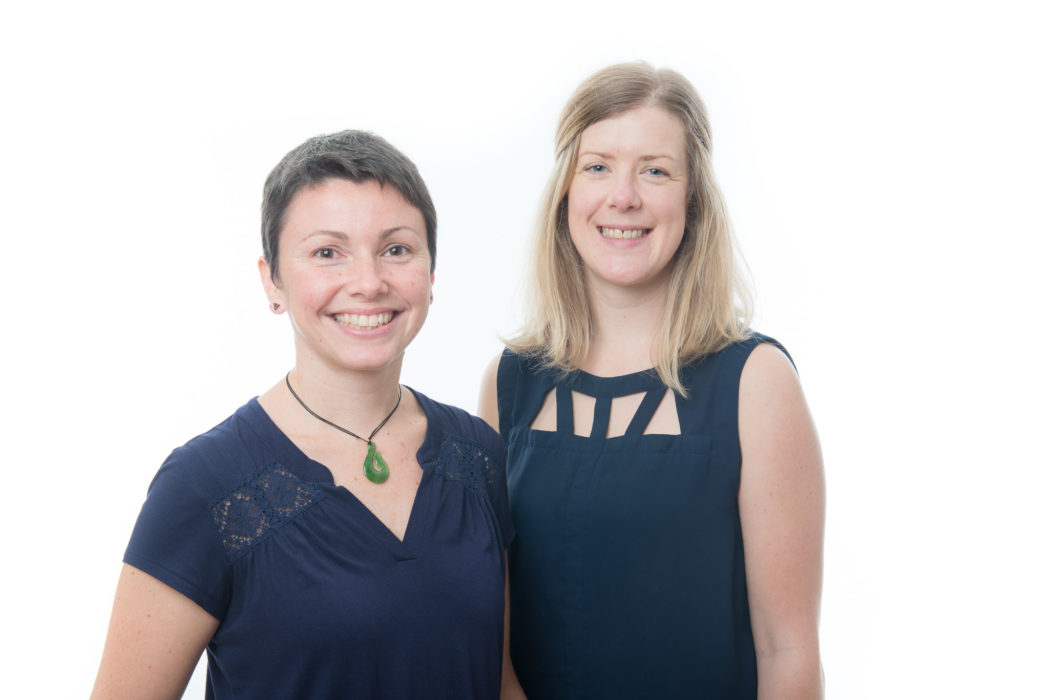
Meet Mathilde Bleuze & Bronwyn Cormack: Occupational Therapists
Welcome Mathilde Bleuze and Bronwyn Cormack to the OT Works! team. They provide community OT services for individuals with musculoskeletal/orthopaedic injuries, chronic pain, mental health, concussion/traumatic brain injuries and mixed diagnoses. They guide clients in managing their daily activities at home, work and in the community in order to foster increased independence.
Mathilde enjoys thinking outside of the box and supporting clients in their own environments. Originally an OT in France, she has a wealth of experience particularly in return-to-work planning, home safety and seating and mobility. Mathilde serves clients on Vancouver Island, particularly in the Comox Valley region.
Bronwyn finds that private practice allows for a dynamic work environment. She enjoys learning about the different roles people have in their communities. She provides workplace assessments, return-to-work planning and activation, among other services. Bronwyn serves clients in the Sea-to-Sky region, primarily North Vancouver to Whistler.
Like all of our therapists, Mathilde and Bronwyn are full registrants and in good standing with the College of Occupational Therapists of British Columbia (COTBC).
Get started with an OT
If you or someone you know could benefit from working with an occupational therapist, contact us today!
Email: referrals@ot-works.com
Phone: 604.696.1066 ext. 1000.

12 Science-Based Benefits of Meditation
Occupational therapy promotes increased independence while carrying out tasks and activities. Meditation is one way clients can train their minds to focus on what they can and will do.
Check out Healthline’s article here.
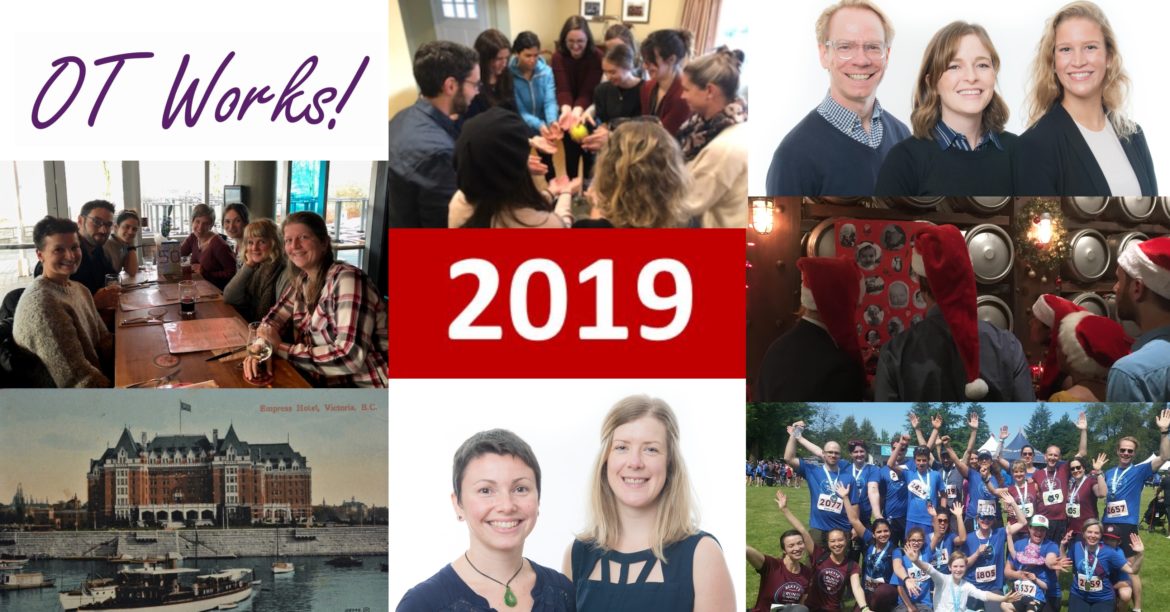
2019 – OT Works! Year in Review
Helping Others, Growing, Learning, and Having Fun
As 2019 draws to a close, we reflect on how we have grown as a team and as a part of our wider community this past year. In 2019, OT Works! continued to grow, develop and have fun. We have been privileged to work with amazing people, customers and clients. We love occupational therapy and share our knowledge and skills with others.
- Growing Team and Families: We welcomed four occupational therapists to our team. Welcome Bronwyn, Mathilde, Jodie and Megan! Several of our OTs also welcomed new babies and we celebrate growing, healthy families!
- Vancouver Island: OT Works has expanded to serve Vancouver Island. We now serve Greater Victoria area (Victoria, Esquimalt, Oak Bay, Sooke, Saanich, Sidney, Langford, Colwood, Metchosin) and the Central Vancouver Island (Campbell River, Courtenay, Comox, Cumberland, Fanny Bay, Nanoose Bay, Union Bay).
- Sharing and Learning: We continue to grow and learn from each other through monthly clinical in-services, regular mentor-ship and and informal clinical discussions. Continuous learning, feedback, and collaboration fosters better results and better care.
- Giving Back: As part of our commitment to the health communities and healthy people, we participated and supported the 2019 Run for Water. We are thrilled to have fund-raised and contributed over $2,226 to clean drinking water in Bekyye, Ethiopia. We also supported World Wildlife Fund and Because I am a Girl,
- Having Fun: Getting together and sharing stories and laughter is a big part of what makes being part of the OT Works! team enjoyable. By getting together for regular socials events and sharing stories over coffee, we celebrate our journey as community occupational therapists together.
With Gratitude
We are continually amazed at the breadth of skills our clients have. We feel privileged and honored to have worked with amazing clients this year. We look forward to meeting and helping others in 2020.
From our families to yours, we hope you have a Wonderful Holiday Season and a Joyous New Year!

A Quick Guide to Occupational Therapy Services: After A Motor Vehicle Accident
Occupational Therapy For Your ICBC Claim
After a motor vehicle accident, occupational therapy helps clients implement and maintain a sense of independence and balance in life. Occupational therapists focus on how clients participate in daily activities relative to their surroundings. They collaborate with their clients to help them function safely and effectively at home, work and in the community. Community OT is flexible and uses individualized, goal-oriented approaches in rehabilitation and health management.
When to Refer or Contact an OT
When an individual is injured in a motor vehicle accident in British Columbia, they are eligible to receive OT services under Part 7 Benefits. Usually ICBC requires a referral from a healthcare practictioner for occupational therapy in order to authorize funding. A doctor may recommend OT services if a client:
- Has not returned to work, school, volunteering or other pre-accident roles.
- Is struggling to care for themselves, their family or their home.
- Is still recovering slowly or not at all, despite other treatments.
Assessment
Once we receive a referral, we confirm with ICBC to ensure that funding is available. An OT Works! therapist can then reach out to the client to set up an initial assessment. During the first appointment, the OT will:
- Gain an understanding of the client’s pre-injury status.
- Observe the client doing functional tasks in their real environment(s), as well as standardized testing.
- Discuss a collaborative plan for treatment (if needed).
The therapist then provides a comprehensive report to ICBC and other healthcare providers involved in the client’s care. If necessary, further OT treatment may be recommended.
Throughout the process, OT Works! therapists help our clients be safe and comfortable. We encourage our clients to ask questions and take breaks when needed.
Hospital Discharge Program
When ICBC requests an OT assessment through the Hospital Discharge Program, occupational therapists help create a safe and timely transition to home for clients who have been hospitalized after their accident. Occupational therapists assess the need for adaptive equipment, home modifications or home support services such as cleaning services or a care aide’s support.
Longer-Term Care
OT Works! also helps ICBC clients who have not been hospitalized or who have been recovering for a longer period of time by the time of the referral. The therapist must determine if continuous OT treatment is necessary to enable a successful recovery. The assessment usually takes place at a client’s home or their workplace (e.g. job site visits, ergo assessments).
Treatment
If on-going occupational therapy is determined to be beneficial, then an OT will continue with the client and support their recovery with goal planning, regular appointments and support. Rehabilitation plans are customized for the client’s individual needs and goals. Here are some examples of the services our clients receive and the activities involved:
- Gradual Return-to-Work Planning and Monitoring helps people ease back into their work roles after time-off due to injuries. OTs can provide on- and off-site coaching through education, strategies and coping tools. They organize appropriate assistive and ergonomic equipment and advocate for return to work options with the client’s employer.
- Adaptive Equipment and Mobility Aids are put in place to ensure safety at home and in the community. Examples include adding a ramp or stair lift to navigate multilevel homes or assessing the safety and comfort of wheelchairs for those requiring assistance moving around.
- Exposure Therapy addresses a client’s anxiety, fear and discomfort so that they can actively engage in their community and life again. It is a gradual, step-by-step process that involves safe, accompanied exposure to locations or situations that trigger a client’s anxiety.
- Concussion Management helps people address the symptoms associated with impacts to the head. Occupational therapists provide education about what a typical recovery looks like. They help clients stay active after a concussion without overdoing it and determine strategies to work around the challenges they face.
- The Progressive Goal Attainment Program is an evidence-based program that reduces the barriers of disability by specifically targeting the psychological and social obstacles clients face. Goals are specific, measurable, achievable, realistic & relevant and time-based. We have several therapists that are certified to provide PGAP services.
Occupational therapists also provide a number of other services. Learn more here.
Case Studies: Successful Return to Work & Life
Theses three real-life case studies show the difference occupational therapy can make at various times in the recovery process after a motor-vehicle accident.
Get Started with an OT
All of our therapists at OT Works! are certified with the College of Occupational Therapists of British Columbia (COTBC) and have additional training in areas such as mental health, brain injury rehabilitation, home safety and chronic pain.
If you or someone you know could benefit from occupational therapy after a motor vehicle accident, contact us today! We can help you acquire funding from ICBC and answer any questions you may have.
Email: referrals@ot-works.com
Phone: 604.696.1066 ext. 1000.
ICBC Webpage: https://www.ot-works.com/services/ot-and-icbc-recovery/
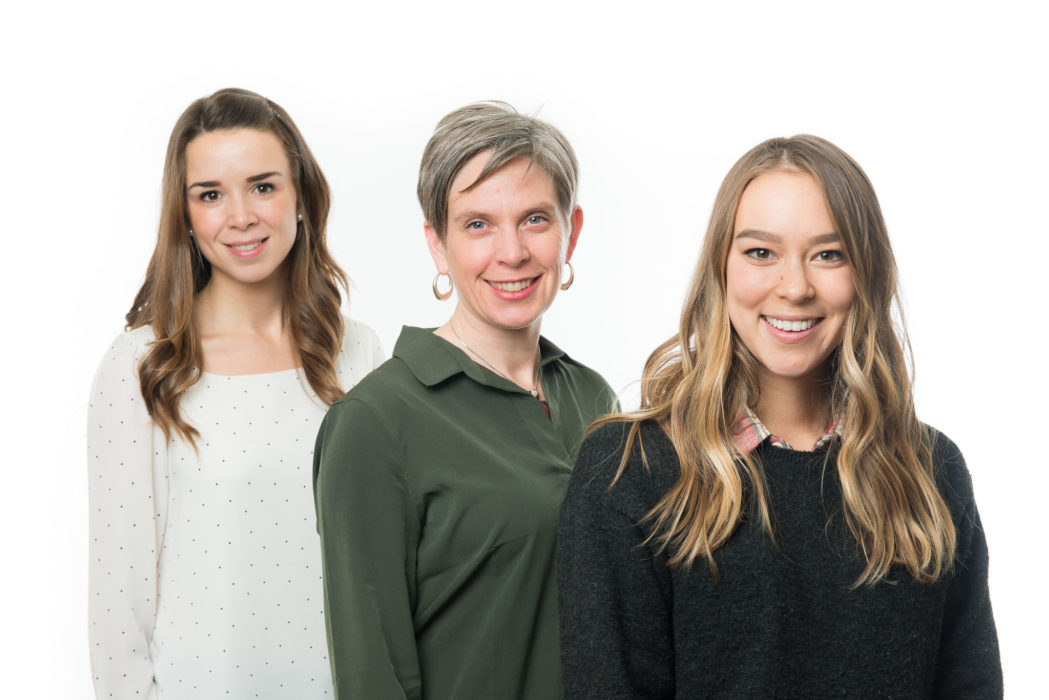
Hello, Victoria!
OT Works! is now providing community occupational therapy services in Victoria and Vancouver Island.
OT Works! is pleased to announce that we are now offering community occupational therapy services to clients and customers on Vancouver Island. OT Works! helps a variety of people, including those who are injured in motor vehicle accidents (ICBC rehabilitation) or workplace incidents (WorkSafe BC programs). We provide workplace solutions (return-to-work services for insurance and disability management providers) and support for Canadian veterans and service members (Veterans Affairs). We also help private clients who need help with home safety or return-to-work support.
Locations Served
We serve clients in their community (homes, workplaces, school and in their community). Our OTs are mobile and come to where the clients live and work, which allows us to better understand our clients and develop meaningful assessment and treatment services that are individualized to each client. On Vancouver Island, our occupational therapists serve clients in the Greater Victoria region, and Central Island area.
Greater Victoria
- Victoria
- Esquimalt
- Oak Bay
- Sooke
- Saanich
- Sidney
- Langford
- Colwood
- Metchosin
Central Vancouver Island
- Campbell River
- Courtenay
- Comox
- Cumberland
- Fanny Bay
- Nanoose Bay
- Union Bay
Occupational Therapy Services
Our occupational therapists provide occupational therapy assessment and treatment services to clients throughout the rehabilitation process. Our community occupational therapy services include:
- Return-to-Work Planning and Support
- Ergonomic Assessments
- Home Health & Safety
- Community Integration
- Concussion Management
- Treatment for Depression and Anxiety
Click here for more info.
Our Therapists

Nicole Chan grew up in Victoria and is happy to provide OT services in her hometown. She serves clients in Greater Victoria and southern Vancouver Island including Victoria, Esquimalt, Sooke, East Sooke, Saanich, Sydney, Langford, Colwood, Metchosin. She has additional training and experience with traumatic brain injuries, ergonomic solutions and mental health rehabilitation.
Mathilde Bleuze serves the Comox Valley(Courteny, Comox) and central Vancovuer Island (Campbell River to Nanoose Bay). She works with a diverse range of clients including older adults, people with musculoskeletal injuries and workers requiring ergonomic assessments.
Contact Us Today
All of our other therapists-including Nicole and Mathilde-are certified with the College of Occupational Therapists of British Columbia (COTBC).
Contact us if you or anyone you know could benefit from occupational therapy services in Victoria or the Central Vancouver Island.
Email: referrals@ot-works.com
Phone – Victoria: (250) 999-8896
Phone – Vancouver: (604) 696-1066 ext. 1000